Learn
Practice reading evidence
Paths are short sequences with a task and a model structure. They point into records rather than repeating them as long articles.
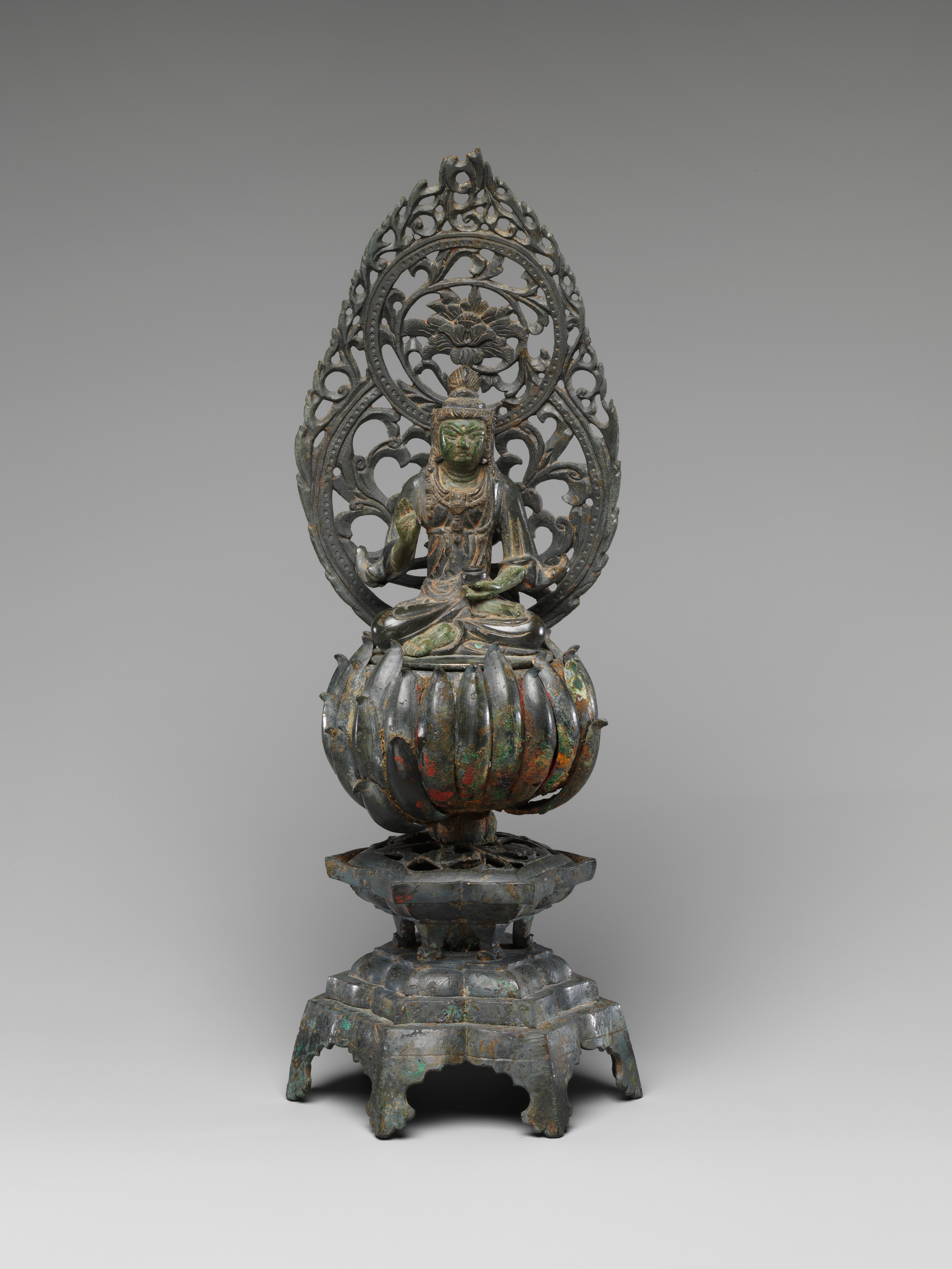
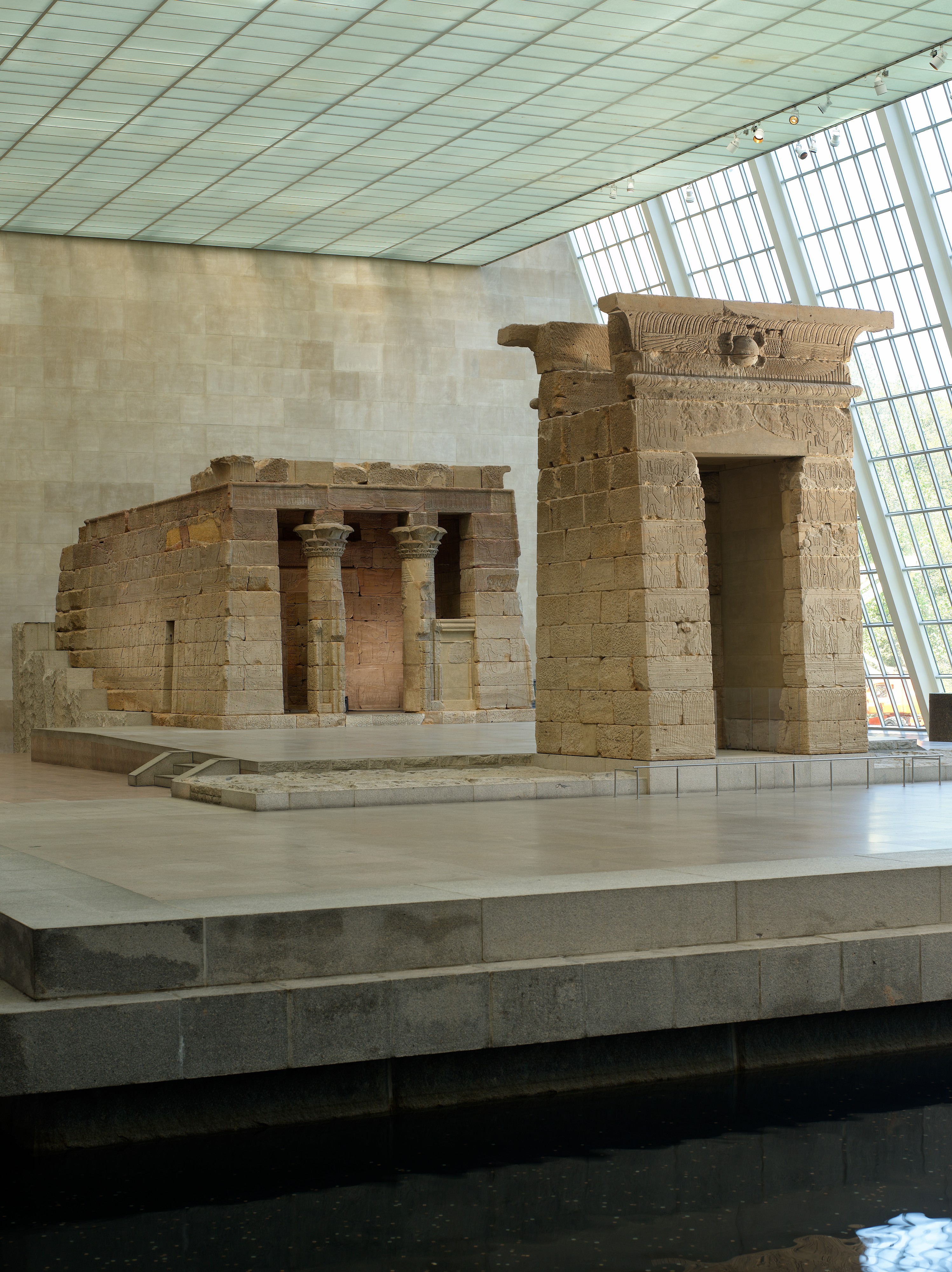
Practice reading evidence
Paths are short sequences with a task and a model structure. They point into records rather than repeating them as long articles.
| Observe | Describe material, form, marks, wear or spatial relation without assigning identity or purpose. Begin with “How to read an object.” |
|---|---|
| Context | Locate the record in excavation, collection, restoration and display history. Check the chain against the page sources and linked institutional records. |
| Infer | Begin with observable features, connect each inference to a source, and mark the point where evidence gives way to a plausible but revisable interpretation. Tie every attribution to the feature that supports it and retain competing readings. |
| Withhold | Do not extend “How to read a heritage place” beyond the date, sample, comparison or provenance actually documented. |
Provenance checkpoint
List each custody or documentation gap separately; an unknown interval is evidence about the record, not permission to invent continuity.
Catalogue note
Paths are short sequences with a task and a model structure. They point into records rather than repeating them as long articles. Mark later repairs, labels and digital reconstructions as later interventions rather than original features.
Research-room promptWhat single comparison object, technical test or archive entry would most change the interpretation of Practice reading evidence?