A sourced heritage guide
ArtifactView
Explore artifacts, historic places, and curated collections through sourced images and museum records.
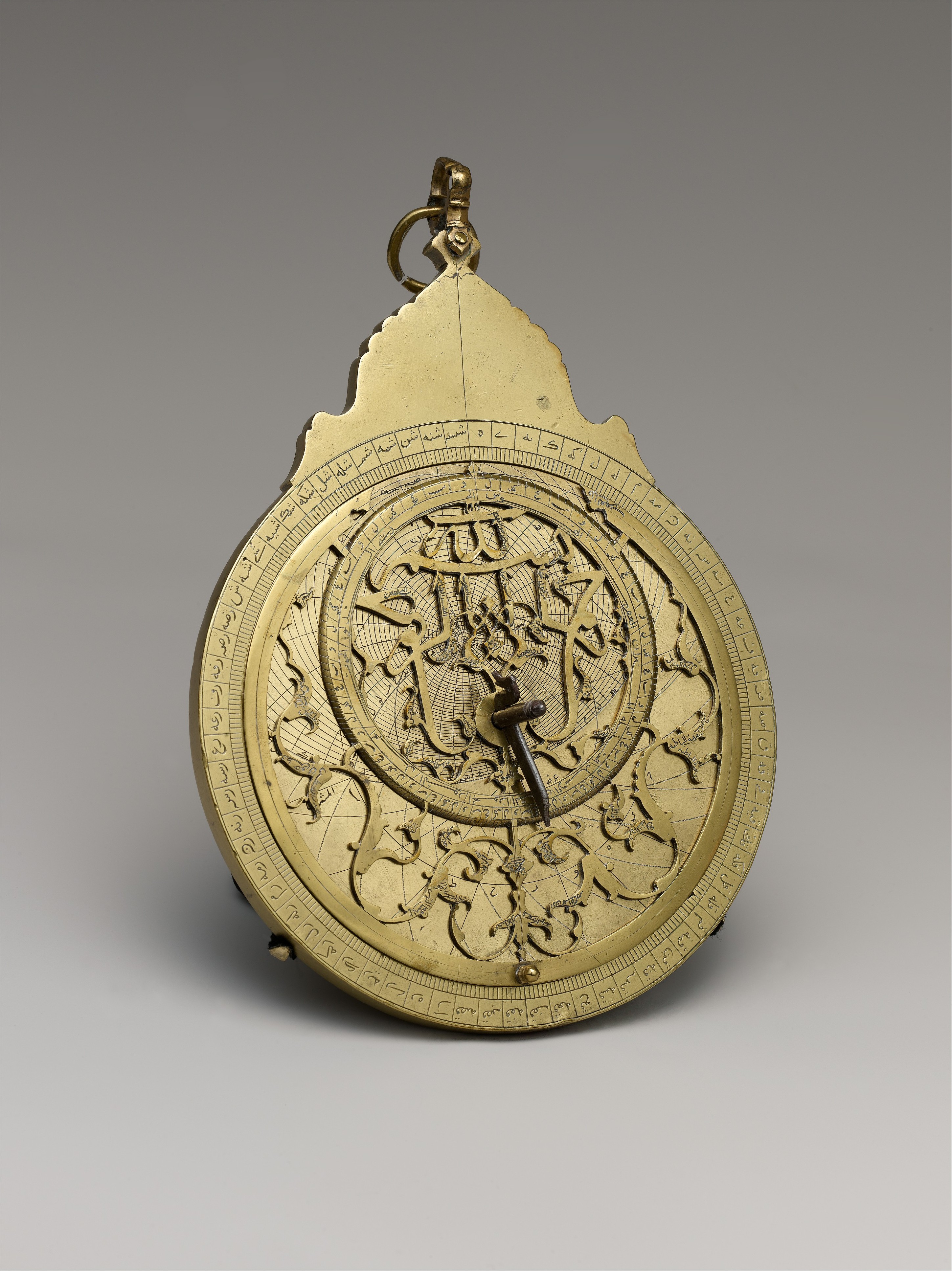
Planispheric Astrolabe, 1654–55, Mashhad. The Metropolitan Museum of Art, 63.166a–j. Open Access record.
Begin with a record
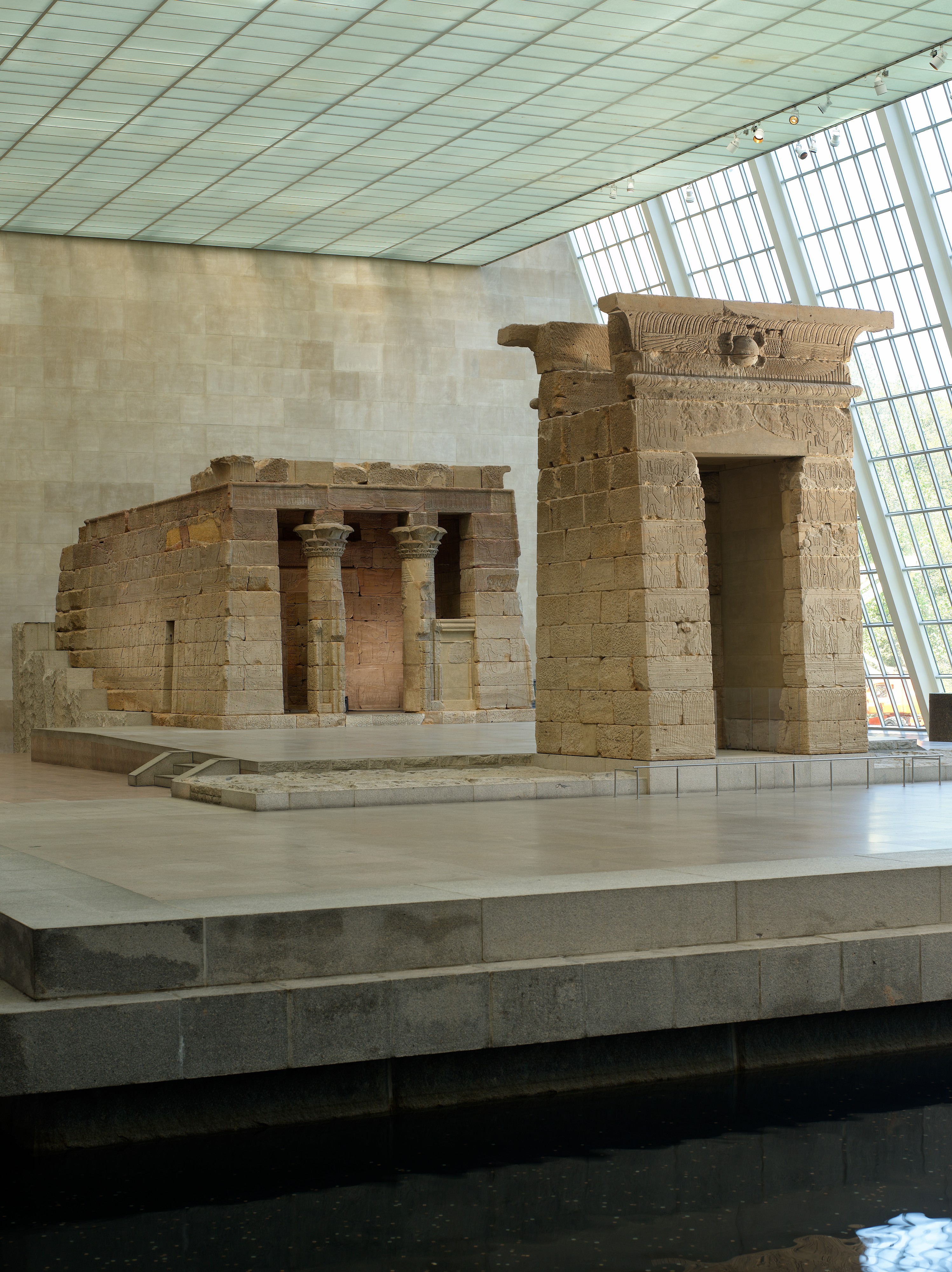
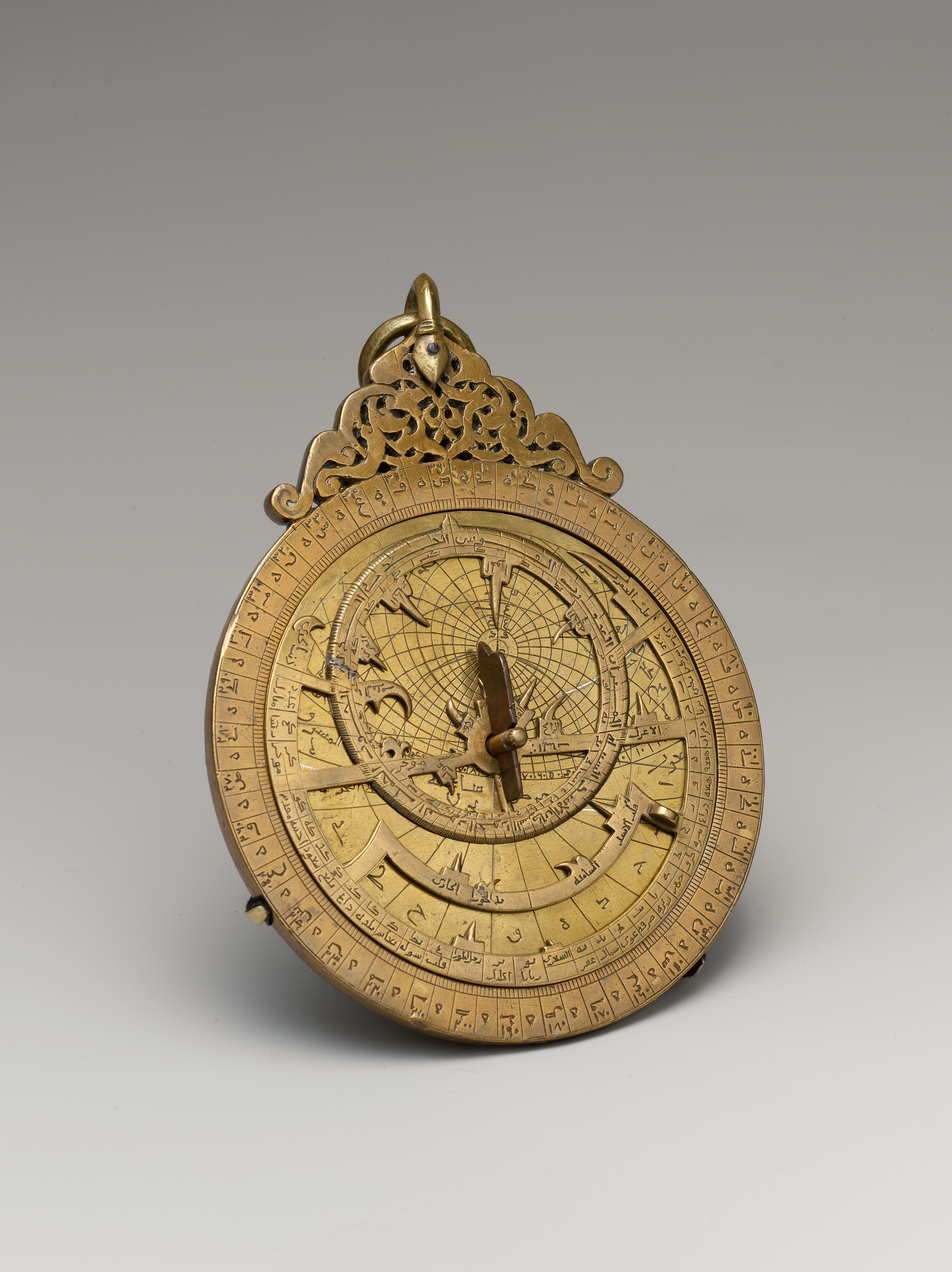
Three ways into the evidence
Objects identify a single work. Places trace a site through time. Collections make a stated comparison rather than grouping by a loose tag.
How to use ArtifactView
Look first.
Then check.
Start with what the image and recorded measurements actually show.
Keep observation, institutional description, and editorial interpretation distinct.
Follow each accession number, credit line, and image back to its institution.
Date ranges, missing fields, and differing accounts remain visible instead of being filled in.
Learning path · 20 minutes
How to read an object
Move from shape and material to museum record, then write a short evidence card that separates what you see from what you infer.
Begin the path →ArtifactView
Explore artifacts, historic places, and curated collections through sourced images and museum records.
| Observe | Describe material, form, marks, wear or spatial relation without assigning identity or purpose. Begin with “Three ways into the evidence.” |
|---|---|
| Context | Locate the record in excavation, collection, restoration and display history. Check the chain against Open Access record. |
| Infer | Begin with observable features, connect each inference to a source, and mark the point where evidence gives way to a plausible but revisable interpretation. Tie every attribution to the feature that supports it and retain competing readings. |
| Withhold | Do not extend “Planispheric Astrolabe” beyond the date, sample, comparison or provenance actually documented. |
Provenance checkpoint
List each custody or documentation gap separately; an unknown interval is evidence about the record, not permission to invent continuity.
Catalogue note
Planispheric Astrolabe, 1654–55, Mashhad. The Metropolitan Museum of Art, 63.166a–j. Open Access record . Mark later repairs, labels and digital reconstructions as later interventions rather than original features.
Research-room promptWhat single comparison object, technical test or archive entry would most change the interpretation of ArtifactView?